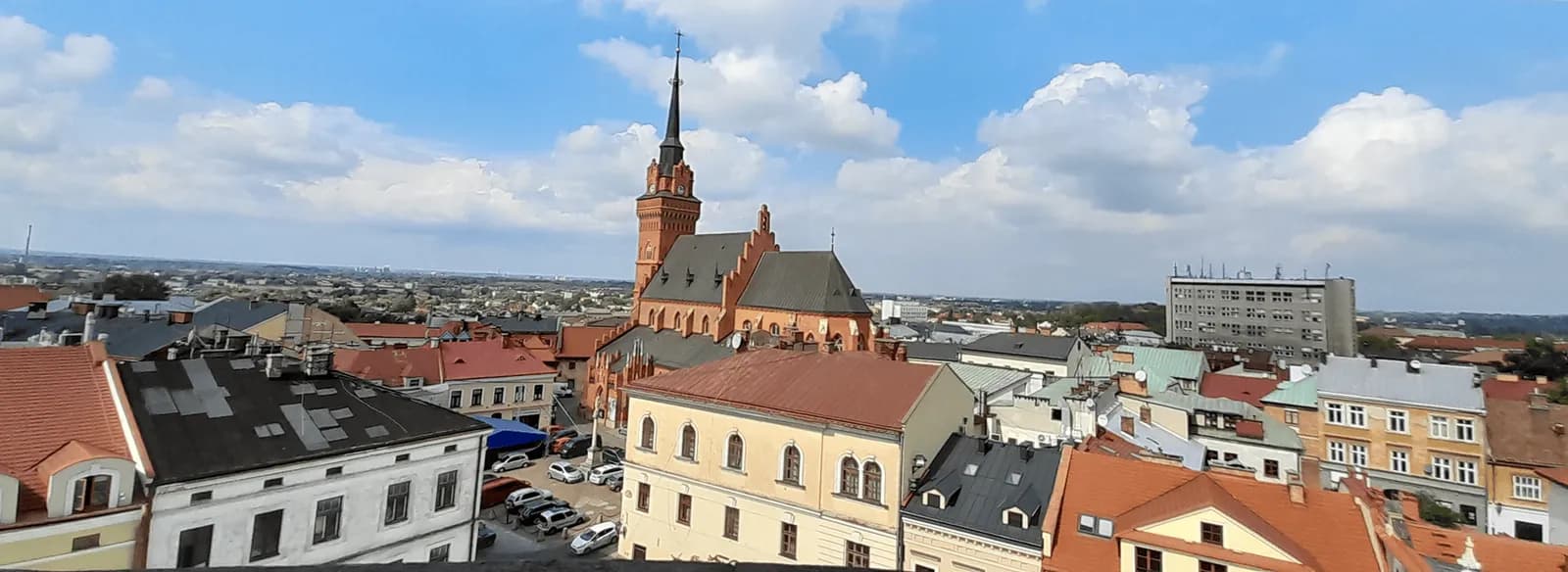
For many people, Tarnów is best known for its beautifully preserved Old Town, rich cultural heritage and location in the heart of Małopolska. Yet beyond its historic streets and Renaissance architecture lies another distinction that has shaped the city for generations. Tarnów is widely recognised as Poland's warmest city.
Often referred to as the Polski Biegun Ciepła, or the Polish Pole of Warmth, Tarnów has earned this reputation through more than a century of meteorological observations rather than occasional hot summers. Its consistently mild climate is the result of geography, topography, and atmospheric conditions working together to create one of the country's most favourable environments.
A Location That Works in Tarnów's Favour
Tarnów sits where the Sandomierz Basin meets the Carpathian Foothills, around 80 kilometres east of Kraków. This position places the city in a unique climatic zone.
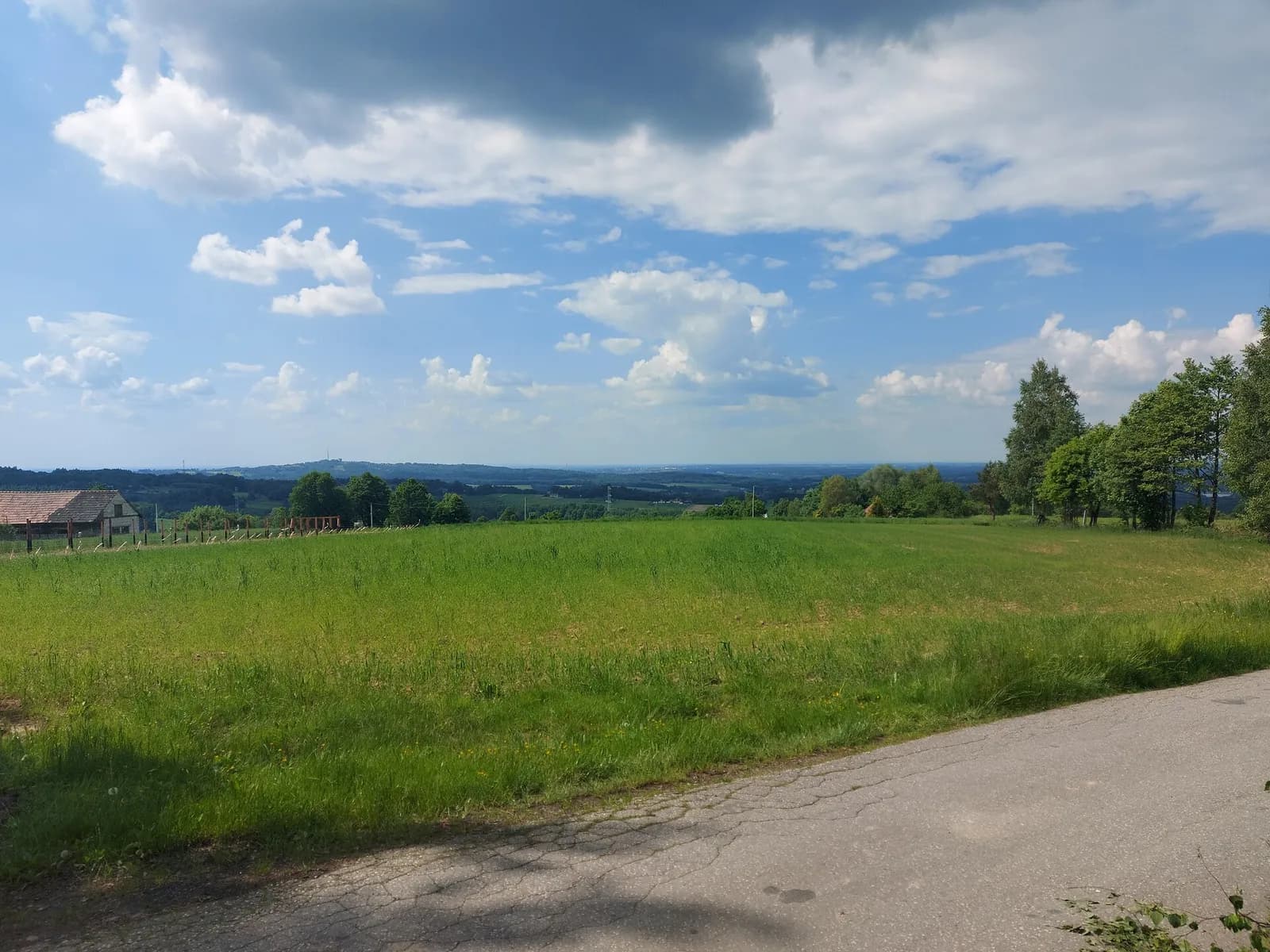
Unlike higher mountain settlements, Tarnów benefits from relatively low elevation while remaining close enough to the Carpathians to experience their influence. The surrounding landscape helps create a naturally warmer microclimate that has long distinguished the city from much of the rest of Poland.
The result is a climate that offers warmer average temperatures throughout the year, making Tarnów a pleasant destination in every season.
Natural Protection From Colder Air
One of the lesser-known reasons behind Tarnów's warmer climate is the surrounding terrain.
The Tarnów Plateau to the north-east provides a natural barrier against cold continental air masses that regularly affect other parts of Poland during autumn and winter. This shelter helps reduce the severity of cold spells, leading to milder winters, fewer prolonged frosts and a shorter period of snow cover than many regions further north and east.
While winter weather still arrives in Tarnów, it is often less severe than visitors might expect.
The Warming Influence of the Carpathians
Another important factor is the halny wind, the warm, dry wind associated with the Carpathian Mountains.
As air travels across the mountains, it loses moisture before descending towards lower elevations around Tarnów. During this descent, the air compresses and warms, sometimes causing temperatures to rise noticeably within a short period.
Although the halny is most frequently associated with mountain regions, its influence contributes to Tarnów's long-term climatic advantage.
One of Poland's Sunniest Cities
Warm temperatures are only part of the story.
Tarnów also enjoys some of the highest levels of sunshine in Poland, with around 1,570 hours of sunshine each year and approximately 55 cloudless days on average. Greater exposure to sunlight allows the ground to warm more efficiently during spring and summer, helping to extend the growing season and support local agriculture.
The combination of sunshine and relatively calm weather creates ideal conditions for outdoor activities, whether exploring the Old Town, relaxing in city parks or discovering the surrounding countryside.
A Climate That Supports Local Agriculture
The favourable weather has played an important role in shaping the region's agricultural traditions.
The Tarnów area enjoys one of Poland's longest growing seasons, making it well-suited to orchards, fruit cultivation, vegetables, and maize. In recent years, local vineyards have also attracted growing attention as Poland's wine industry continues to develop.
While Poland is not traditionally known as a wine-producing country, the climate around Tarnów is among the country's most suitable for viticulture.
Warm All Year, Not Just During Heatwaves
Tarnów's reputation can sometimes lead to misconceptions.
Other Polish cities, particularly in the west, may record higher temperatures during individual summer heatwaves. However, climatologists distinguish between daily weather extremes and long-term climate averages.
It is this consistency that sets Tarnów apart. Over decades of recorded observations, the city has maintained the highest average annual temperatures in Poland, making its title as the country's warmest city well deserved.
A City Shaped by Its Surroundings
Tarnów's climate is the product of several natural advantages working together.
These include:
- A favourable location between the Sandomierz Basin and the Carpathian Foothills.
- Protection from cold air by the Tarnów Plateau.
- The warming influence of halny winds.
- High annual sunshine levels.
- Relatively calm weather that allows warmth to accumulate.
One of Poland's longest growing seasons.
Together, these conditions create a climate unlike anywhere else in the country.
More Than a Warm Destination
While Tarnów's climate is certainly one of its defining characteristics, it complements rather than overshadows everything else the city has to offer. Visitors can enjoy historic landmarks, vibrant cultural events, welcoming cafés and green spaces, all enhanced by weather that is often kinder than elsewhere in Poland.
Whether arriving for a weekend break or considering a longer stay, it is easy to understand why Tarnów has proudly carried the title of Poland's warmest city for generations.
image credit: M.Tarnowski, CC BY 4.0 / Pecakmaksymilian03, CC BY-SA 4.0