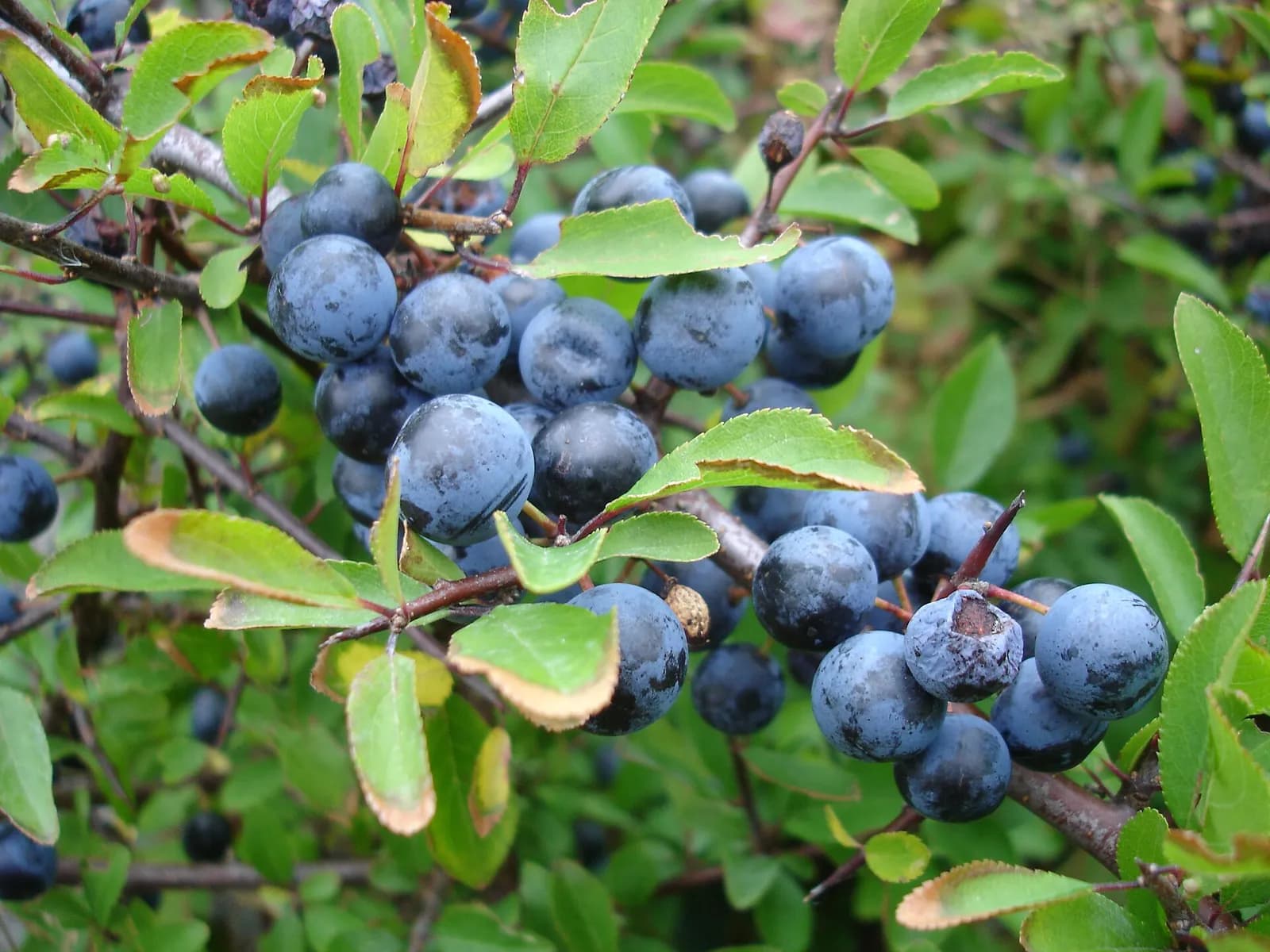
Few drinks are as closely connected to a Polish city as Tarninówka is to Tarnów. Rich, ruby-coloured and deeply rooted in local tradition, this distinctive sloe liqueur is more than a regional speciality. It reflects the landscape, history and identity of a city whose very name is believed to be linked to the blackthorn shrubs that once grew abundantly across the area.
For visitors exploring Lesser Poland or residents looking to reconnect with local traditions, Tarninówka offers a genuine taste of Tarnów's heritage.
From Blackthorn to Bottle
Tarninówka is a traditional Polish nalewka, a fruit liqueur created by infusing fresh ingredients in high-proof alcohol before sweetening and ageing the mixture. In this case, the star ingredient is tarnina, known in English as the blackthorn or sloe berry (Prunus spinosa).
The small blue-black berries are famously sharp and astringent when freshly picked. Traditionally, they are harvested after the first autumn frost, when the cold naturally softens their flavour. Today, many home producers simply freeze the fruit to achieve the same effect before beginning the infusion process.
Unlike British sloe gin, which is made using gin as its base spirit, Tarninówka is usually prepared with vodka, rectified spirit or a combination of the two. The result is a richer fruit-forward character where the flavour of the berries takes centre stage.
A Tradition Passed Through Generations
Making nalewki has long been part of Polish family life. Recipes are often closely guarded, handed down through generations and adapted according to personal taste.
Although every household has its own approach, the traditional method follows the same principles:
- Harvest ripe berries after the first frost or freeze them before use.
- Lightly pierce or crush the berries.
- Cover them with vodka or rectified spirit.
- Leave the fruit to macerate for several weeks or months.
- Add sugar or honey to balance the natural tartness.
- Filter the liquid carefully.
- Age the finished liqueur for several months, or ideally a year or longer.
Patience is rewarded. With time, the flavours become smoother, deeper and more complex.
The Flavours of Tarninówka
A well-made Tarninówka is immediately recognisable by its deep garnet colour and inviting aroma.
Expect notes of wild berries, dried fruit and gentle almond, followed by a balance of sweetness and refreshing acidity. The natural tannins from the sloes create a pleasantly dry finish that makes it ideal as a digestif after a meal.
Rather than being mixed into cocktails, Tarninówka is traditionally served slightly chilled in small glasses, allowing its flavours to be enjoyed slowly.
Why Tarnów Claims Tarninówka
The connection between Tarnów and blackthorn runs deeper than the drink itself.
Local tradition holds that the city's name derives from the abundance of tarnina that once covered the hills surrounding the area, particularly around St Martin's Hill. Over time, the blackthorn became one of the symbols of Tarnów and naturally found its way into local culinary traditions.
Today, that heritage lives on through commercially produced Tarninówka inspired by traditional family recipes, including versions named after General Józef Bem, one of Tarnów's most celebrated historical figures.
For many visitors, sampling Tarninówka has become as much a part of discovering the city as exploring its market square or historic Old Town.
A Distinctive Place in Polish Culinary Heritage
Poland's nalewki come in many varieties, each celebrating seasonal fruit and local ingredients.
Popular examples include:
- Wiśniówka (cherry)
- Malinówka (raspberry)
- Pigwówka (quince)
- Orzechówka (walnut)
- Cytrynówka (lemon)
- Tarninówka (sloe)
Among them, Tarninówka stands out for its strong association with a single city and its surrounding landscape. It is a reminder that local food and drink often tell stories that history books cannot.
Whether enjoyed at home, shared with friends or discovered while visiting Tarnów, this traditional sloe liqueur continues to preserve a small but meaningful part of the city's cultural identity.
image credit: Mnemo, CC BY-SA 3.0