Located in southeastern Poland in the Małopolskie Voivodeship, Tarnów is a city where medieval foundations, Renaissance architecture and multicultural traditions remain visible in everyday life.
Often called the “Pearl of the Renaissance”, Tarnów is known for its exceptionally preserved Old Town, centred around one of the most attractive market squares in southern Poland. Behind its historic façades lies a much deeper story, stretching from early Slavic settlements to royal families, trade networks, Galician influences and a diverse local community.
Today, Tarnów continues to balance the preservation of its heritage with its role as a modern regional centre.
Early Settlement on Góra św. Marcina
The history of Tarnów reaches back long before the official founding of the city.
Archaeological evidence points to an early medieval fortified settlement on Góra św. Marcina (St. Martin’s Mount), overlooking the modern city. The settlement is traditionally associated with the Wiślanie tribe, one of the early Slavic groups that inhabited parts of present-day Lesser Poland.
The exact development and importance of this early stronghold continue to be studied by historians and archaeologists, but the site demonstrates that the area had strategic importance centuries before Tarnów became an organised town.
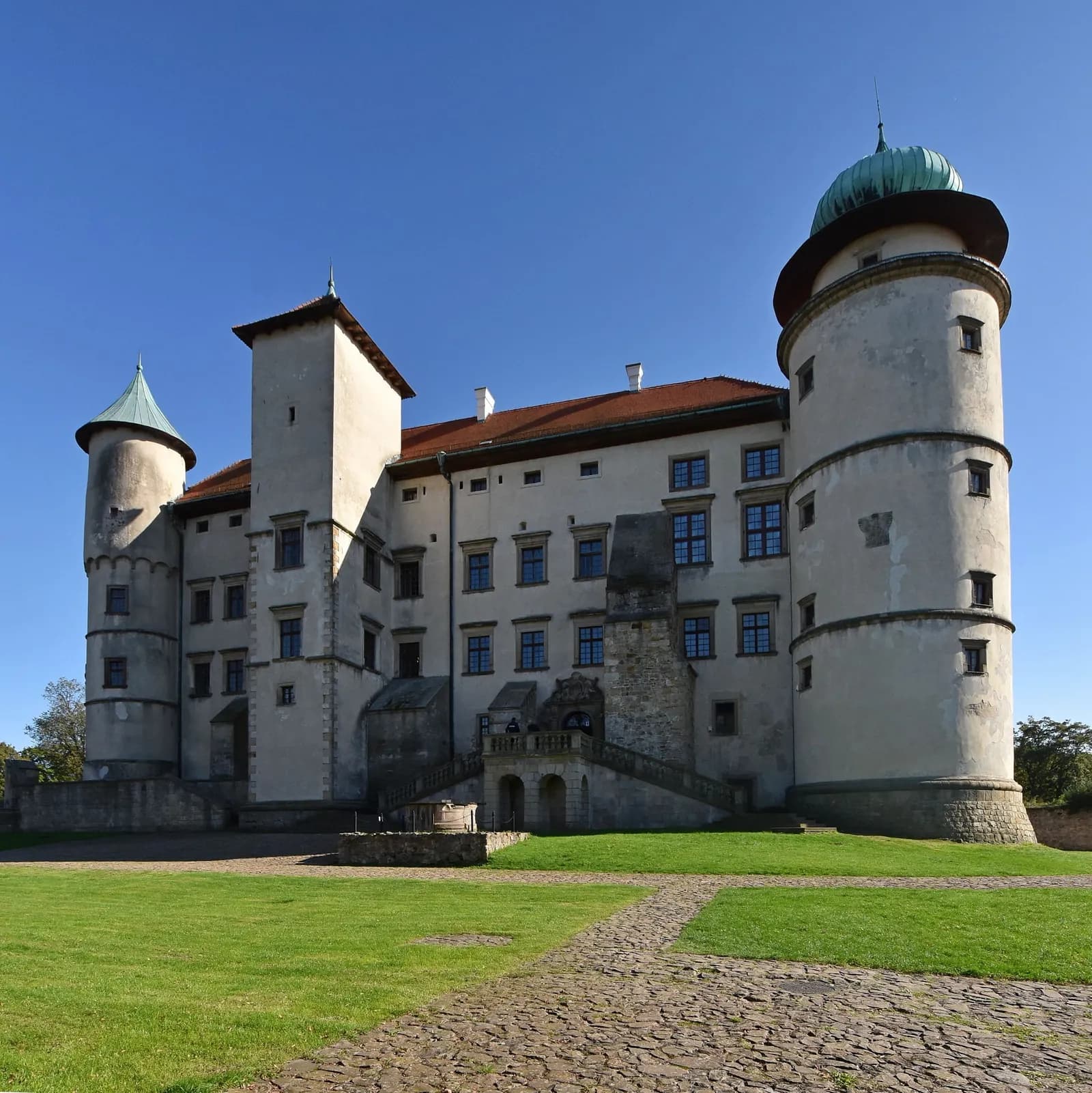
By the 14th century, Góra św. Marcina was connected with a brick castle belonging to the Leliwita family, whose influence played a major role in the early development of Tarnów.
The Founding of Medieval Tarnów
The official foundation of Tarnów dates to 1330, when King Władysław I Łokietek granted Spycimir Leliwita permission to establish a town.
The medieval town was designed according to European urban planning principles of the period. Its layout centred around a large market square (Rynek), with streets arranged around the commercial and civic heart of the settlement.
This structure remains visible today, with the Old Town preserving much of its medieval character.
Tarnów’s Renaissance Golden Age
Tarnów reached its cultural peak during the 16th century, when it became one of the most important private towns in Lesser Poland.
The city prospered through trade, crafts and connections with wider European networks. After a major fire in the 15th century, Tarnów was rebuilt and developed a strong Renaissance character.
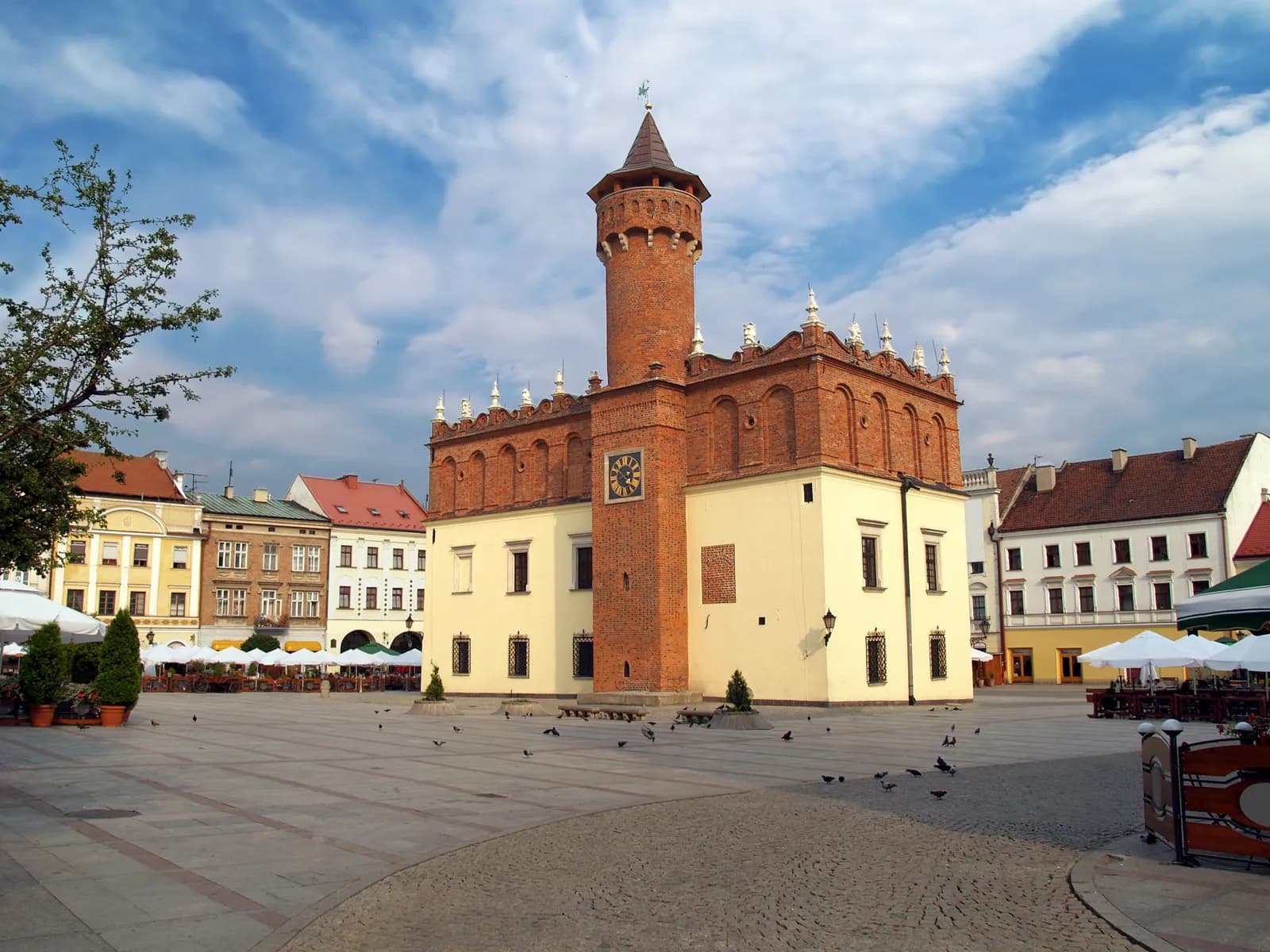
The Market Square became the centre of this transformation.
The Renaissance Town Hall, together with the historic merchant houses surrounding the square, reflects the wealth and ambitions of the city during this period. Their architectural details provide a reminder of Tarnów’s role as a commercial and cultural centre.
This remarkable collection of Renaissance buildings is one of the reasons Tarnów is often recognised as one of Poland’s finest examples of Renaissance urban heritage.
Under Austrian Rule: The Galician Period
A major change came in 1772, when Tarnów became part of the Austrian-controlled Kingdom of Galicia and Lodomeria following the First Partition of Poland.
For more than a century, the city developed within the Habsburg Empire. This period brought administrative changes, new infrastructure and connections with wider Central Europe.
One of the most important developments was the arrival of the Galician Railway of Archduke Charles Louis, which connected Tarnów with Kraków in 1852.
The railway strengthened Tarnów’s economic position, supporting industrial development, trade and population growth.
Tarnów’s Jewish Heritage
For centuries, Tarnów was home to a significant Jewish community that contributed greatly to the city’s cultural, economic and social life.
The Jewish cemetery, known locally as the “kirkut”, is one of the most important reminders of this heritage. Established in the 16th century, it contains thousands of preserved matzevot (headstones) and serves as a place of remembrance and historical reflection.
Before the Second World War, Jewish residents formed a major part of Tarnów’s population. The community was devastated during the Holocaust, and today the cemetery and other heritage sites preserve the memory of those who lived here.
The city’s architecture and traditions also reflect the influence of different communities, including Polish, Jewish, German and Austrian residents who contributed to Tarnów’s development over the centuries.
War, Reconstruction and Modern Tarnów
The 20th century brought significant challenges to Tarnów.
The city experienced the upheavals of both world wars and major social changes after 1945. Following the Second World War, Tarnów became part of post-war Poland and entered a new period of rebuilding and industrial development.
Today, the city remains an important economic centre, with industries including chemicals, building materials and electrical machinery.
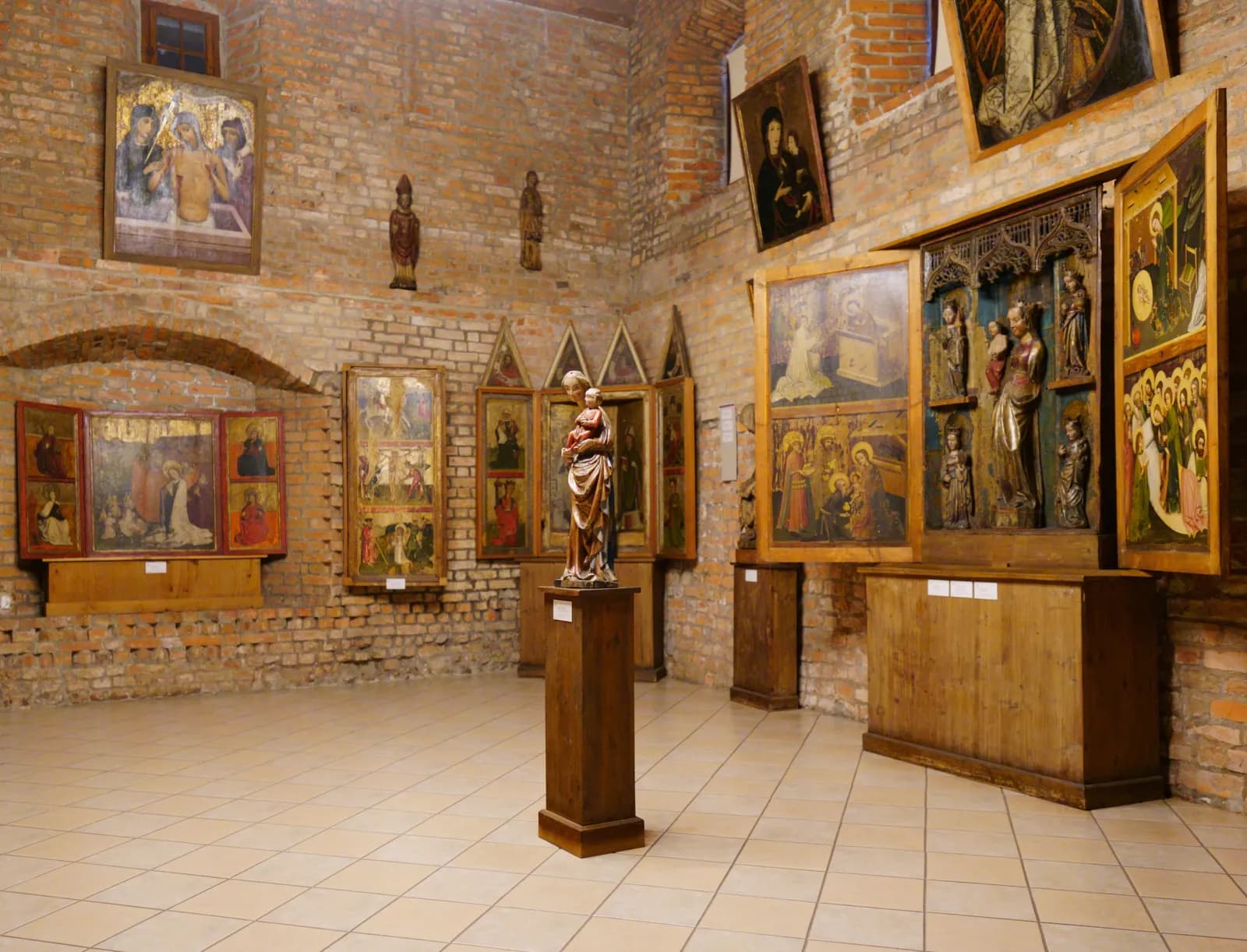
At the same time, Tarnów’s historic centre remains central to local identity. Museums, restaurants, cultural events and preserved architecture continue to connect residents and visitors with the city’s past.
Tarnów Today: Heritage at the Heart of Community Life
Modern Tarnów demonstrates how historic cities can preserve their character while adapting to contemporary needs.
The Old Town remains a place where people meet, work and enjoy cultural life. Festivals, exhibitions and heritage projects continue to highlight the city’s Renaissance architecture and multicultural history.
For residents, Tarnów’s heritage is not only found in monuments. It is reflected in local traditions, neighbourhoods and the continuing relationship between the city and its past.
Tarnów’s history is a story of many layers: early Slavic settlement, medieval foundations, Renaissance prosperity, Galician transformation and multicultural heritage.
Its beautifully preserved Old Town stands as a reminder of the city’s achievements, while its historic communities and traditions reveal a much deeper story.
Today, Tarnów remains a city where the past is not simply preserved but continues to shape everyday life.