Behind Tarnów Cathedral, a cluster of centuries-old houses preserves an artistic record reaching from medieval Poland to the modern era.
Some museums are defined by a single building. The Diocesan Museum in Tarnów is defined by a group of historic houses and the layers of history surrounding them.
Founded in 1888 by Father Józef Bąba, then rector of the Seminary, it is the oldest diocesan museum in Poland. Its collections have moved during its history, first occupying the Seminary, then the Town Hall during the interwar period, before finding their present home among historic 16th-century tenement houses beside Tarnów Cathedral.
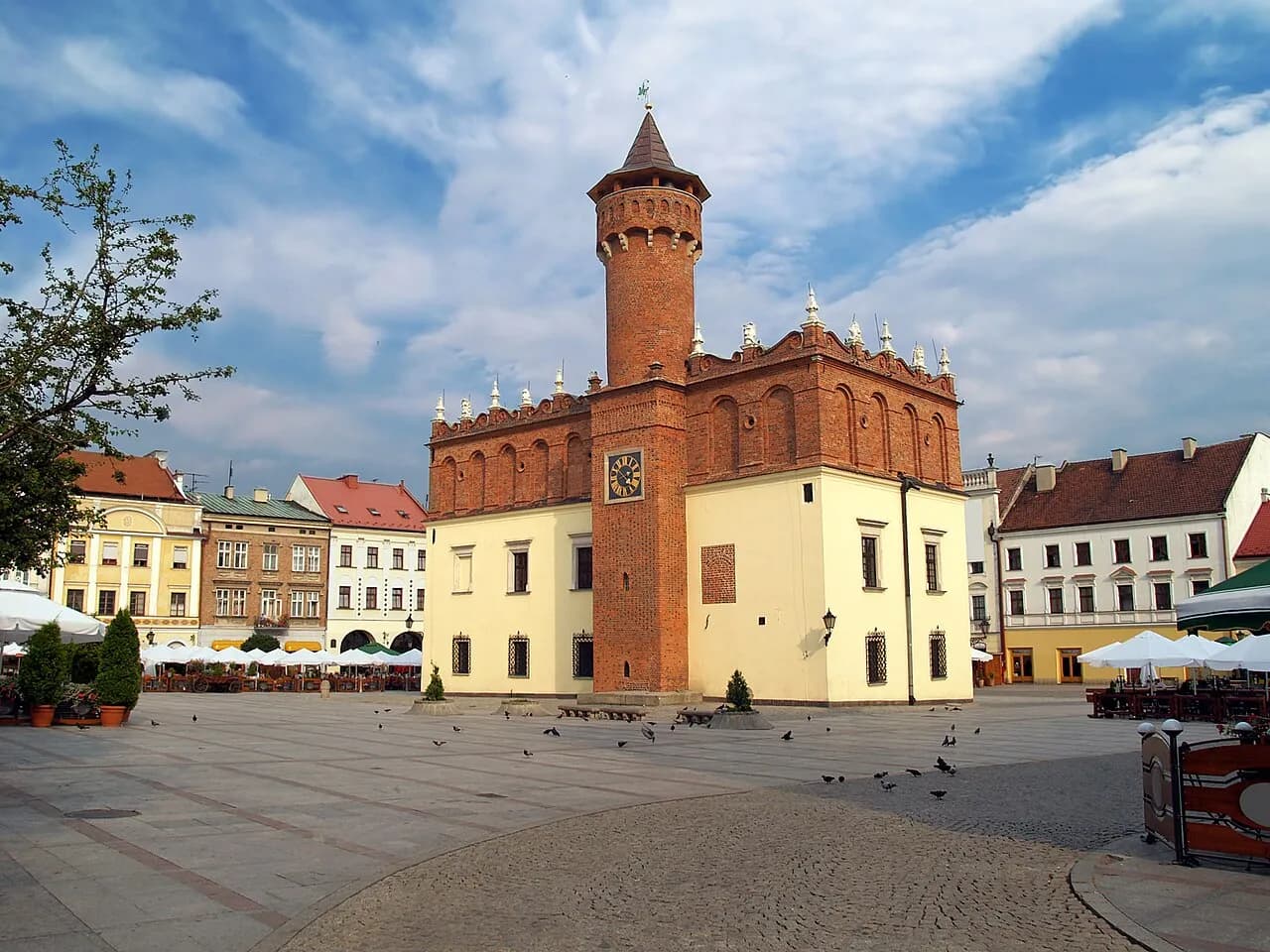
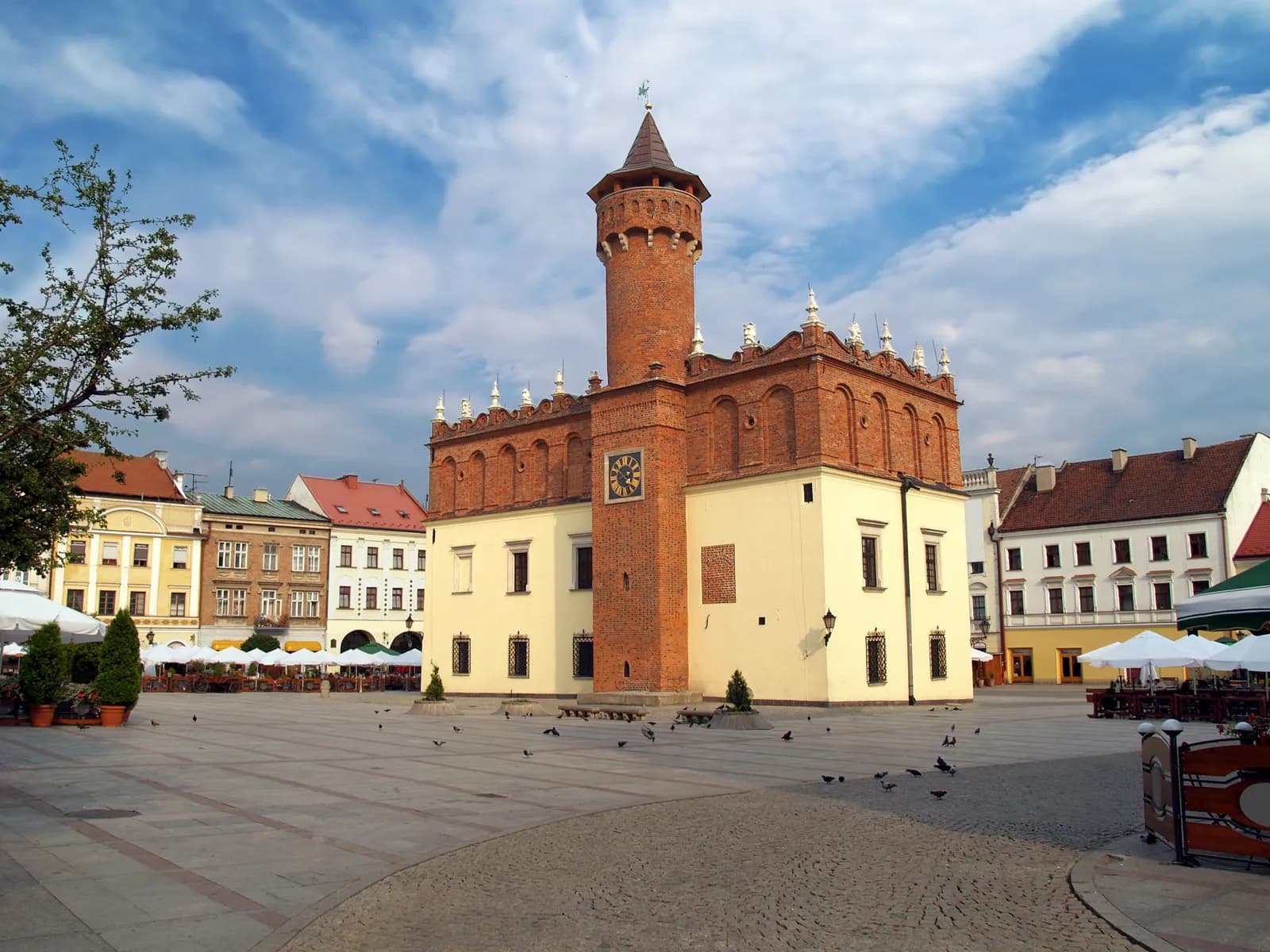
The setting is more than an attractive backdrop. The museum's buildings form part of the historic fabric of Tarnów's Old Town, creating a direct connection between the objects inside and the city in which they have been preserved.
A museum shaped by Tarnów's oldest streets
The museum complex brings together several historic buildings, including the former Akademiola, Mikołajowski House, Mansionary House and Scholasteria.
The Akademiola recalls the beginnings of education in Tarnów. It was the first school in the city and operated as a branch of the University of Kraków. Mikołajowski House dates from 1524 and was built by Jan Mikołajowski, a Tarnów burgher. It was later inhabited by the rector of the academy.
Together with the other buildings surrounding the Cathedral Basilica, these houses form one of the distinctive corners of Tarnów's Old Town. Their continued use as museum spaces means that visitors encounter the collections within architecture that is itself part of the city's history.
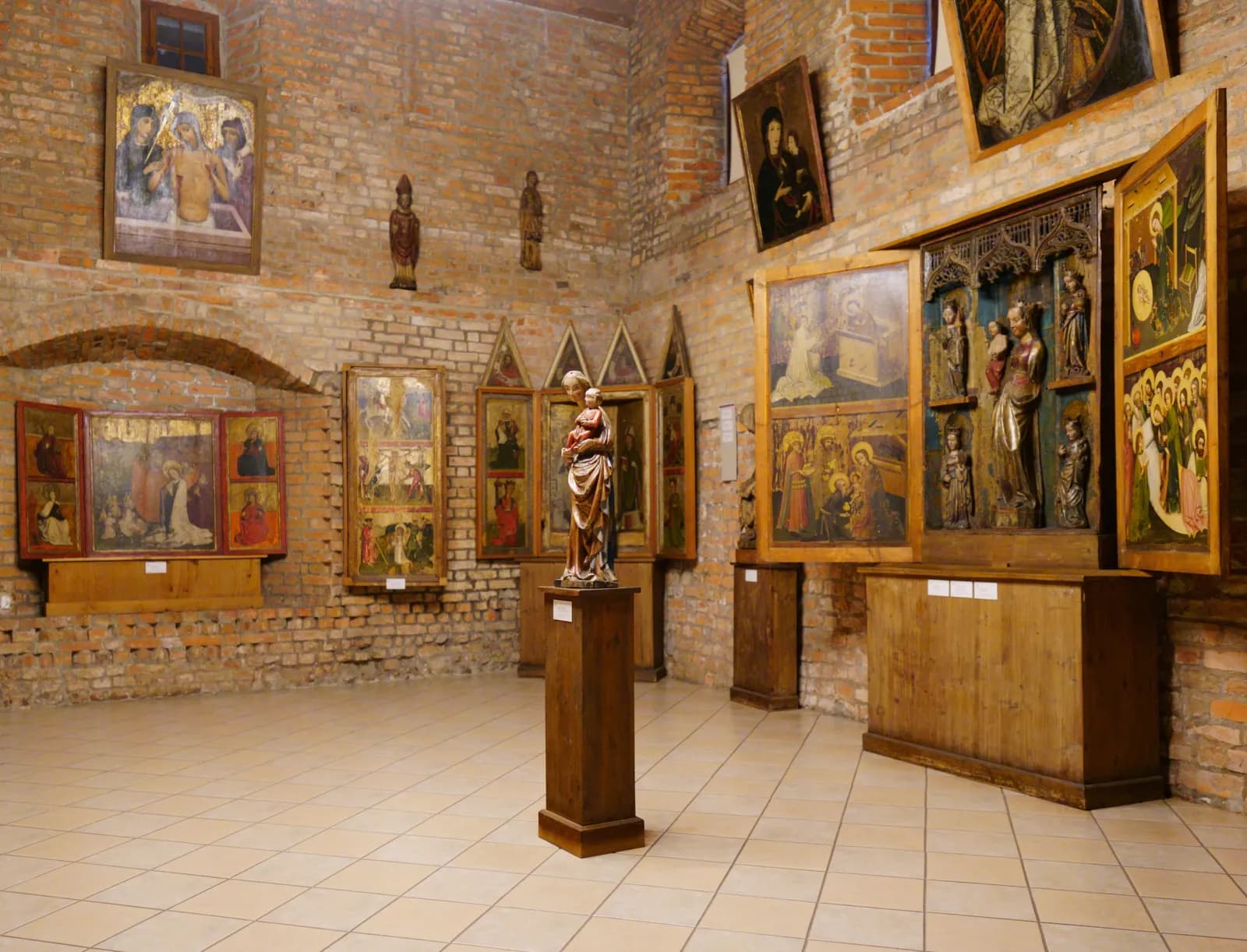
Inside, the most important section of the collection is devoted to guild art, particularly Gothic sculpture and painting from Małopolska. Much of this work represents the Kraków-Sądecki School, an artistic tradition that provides an important window into the development of Polish medieval culture.
These are not simply old religious objects. Their significance lies in what they reveal about artistic skill, religious life and the cultural networks that connected communities across Małopolska.
From Gothic sculpture to paintings on glass
The museum's collections extend well beyond medieval sculpture and painting.
Church textiles form another important part of the collection, including chasubles and copes dating from the Middle Ages through to the 19th century. Together, these objects illustrate the changing materials, techniques and visual traditions associated with religious life over several centuries.
Another particularly distinctive part of the museum is its folk art collection. Among its highlights are paintings on glass from Europe and other parts of the world.
The collection was donated in 1957 by Norbert Lippóczy, a Hungarian collector who became closely associated with Tarnów. His contribution added an international dimension to a museum otherwise strongly rooted in the artistic traditions of Małopolska.
The museum also holds examples of contemporary folk sculpture from Paszyn near Nowy Sącz, one of Poland's recognised centres of this form of artistic expression. Here, the collection moves beyond historic church art towards traditions that continued to develop within local communities.
This breadth is one of the museum's strengths. Its collections reveal that religious and folk art cannot always be neatly separated from the social history of the places where they were created and used.
A collection that continued to grow
The museum's story did not stop with its nineteenth-century foundation or its medieval collections.
In 1988, marking its centenary, the institution received a significant donation from Tarnów collector Olga Majewska. The collection included works dating from around 1900, with paintings by artists including Jacek Malczewski, Vlastimil Hofman, Kazimierz Sichulski and Wojciech Weiss. Porcelain and clocks were also among the donated objects.
Three decades later, another private collection added a different historical perspective. In 2019, during the jubilee year marking the centenary of the birth of St John Paul II, Tarnów collector Bronisław Usarz donated gold and silver coins from various mints around the world, together with medals.
These objects provide an artistic record of major historical events while also reflecting the cultural significance attached to the pontificate of the Polish Pope.
Such donations underline another important part of the museum's history. Its collections have not been created solely through institutional acquisition. Individual collectors have repeatedly helped shape what future generations can see.
More than 130 years after its foundation, the Diocesan Museum remains closely connected with the city around it. Its Gothic works preserve some of the artistic achievements of medieval Małopolska, while its textiles, folk art, modern paintings and numismatic collections broaden that story across centuries.
Perhaps that is what makes the museum particularly fitting for Tarnów. Its collections are historical, but they are not removed from history. They sit within buildings that have witnessed the development of the city itself, beside a cathedral that has long been one of its defining landmarks.
The result is a museum where the setting and the collection continually reinforce one another, allowing Tarnów's artistic heritage to be encountered not as a distant past, but as part of the living character of its Old Town.
Visitor Information
Diocesan Museum in Tarnów
Plac Katedralny 6, Tarnów
Opening hours:
Monday: Closed
Tuesday–Friday: 09:30–12:00 and 13:00–15:30
Saturday: 09:00–12:00 and 13:00–15:30
Sunday and holidays: 09:00–12:00 and 13:00–14:00
The museum is closed for a technical break from 12:00 to 13:00 on Tuesday to Friday and Saturday.